DIK DIK
Scientific name: Madoqua guentheri
Pylum: Chordata
Family: Bovidae
Family: Bovidae
Genus: Madoqua
Vulnerability: Least concern
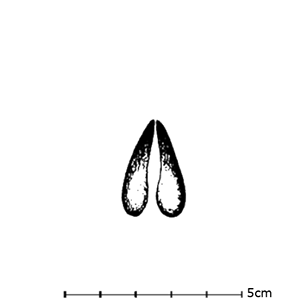
Female dik-diks are somewhat larger than males. The males have horns, which are small (about 7.6 centimetres or 3 in), slanted backwards and longitudinally grooved. The hair on the crown forms an upright tuft that sometimes partially conceals the short, ribbed horns of the male. The upper body is gray-brown, while the lower parts of the body, including the legs, belly, crest, and flanks, are tan. A bare black spot below the inside corner of each eye contains a preorbital gland that produces a dark, sticky secretion. Dik-diks insert grass stems and twigs into the gland to scent-mark their territories.
Apparently to prevent overheating, dik-diks have elongated snouts with bellows-like muscles through which blood is pumped. Airflow and subsequent evaporation cools this blood before it is recirculated to the body. However, this panting is only implemented in extreme conditions; dik-diks can tolerate air temperatures of up to 40 °C (104 °F)